
What does this guide cover?
A guide explaining what a non-shave hair transplant is, who it's suitable for, its advantages and limitations, the procedure, and the factors that affect price.
When people think of a hair transplant, a shaved scalp usually comes to mind, but today there are also non-shave hair transplant techniques that can be performed without cutting the existing hair. This method has become an appealing option, especially for people who don't want to cut their hair for work or social reasons, and for women experiencing limited, localized thinning. In this article, we look at what a non-shave hair transplant is, who it's suitable for, its advantages and limitations, the procedure, and the factors that affect price.
What Is a Non-Shave Hair Transplant?
A non-shave hair transplant is a version of the FUE method performed without cutting the existing hair. Instead of shaving the donor area completely, follicles are extracted one by one from among the existing hair using special instruments. In the same way, in the recipient area, new channels are opened between the existing hair strands and the grafts are placed without cutting the hair. This means there's no noticeable shave mark on the scalp after the procedure, and the person can return to daily life more quickly and comfortably.
Who Is It Suitable For?
A non-shave hair transplant is especially suitable for people who want to keep their existing hair and need a relatively limited number of grafts. Those who want to correct their hairline, women experiencing localized thinning, people who don't want to cut their hair for professional reasons, and those who have already had a hair transplant and want to add density to small areas can all be considered good candidates for this method. On the other hand, for people who need a high number of grafts over very large areas, the procedure time can lengthen significantly, so fully or partially shaved techniques may be a more practical option. Determining the right method requires an assessment of hair and donor area density by a specialist.
Advantages and Limitations
The most notable advantage of a non-shave hair transplant is that it allows a quick return to social and professional life without a visible mark after the procedure. This method is also chosen by people who want to keep the procedure private. On the other hand, extracting and placing follicles one by one from among the existing hair requires more time and attention than standard FUE, so the procedure can take longer and the number of grafts that can be transplanted in a single session may be limited. Also, longer hair in the donor area can make the extraction technically a bit more difficult. That's why the choice of method should be made together with a specialist, based on the number of grafts the person needs and their priorities.
The Procedure and Recovery
The procedure begins under local anesthesia with follicles being collected one by one from among the existing hair in the donor area. The grafts are then placed into micro-channels opened between the existing hair strands in the recipient area. Depending on the number of grafts, the procedure can take a few hours and is usually completed the same day. Mild redness and small crusts may appear in the donor and recipient areas after the procedure, but these are largely hidden among the existing hair. It's normal for some of the transplanted follicles to shed within a few weeks; lasting, visible results generally appear within 8 to 12 months.
Who Might It Not Be Suitable For?
For people with significant thinning or baldness over a large area who are aiming for high density in a single session, the non-shave method can considerably extend the procedure time, which can be demanding for both the patient and the practitioner. In addition, when the hair in the donor area is very short or so dense that it's hard to see the scalp, extracting follicles without damage can be more difficult. In these cases, fully or partially shaved FUE techniques may be considered a more suitable option in terms of both procedure time and graft quality.
The Difference Between Non-Shave Hair Transplants and Classic FUE
In the classic FUE method, hair in the donor area and sometimes the recipient area is fully or partially shaved to make the procedure easier; this allows the procedure to be completed faster and enables a higher number of grafts to be transplanted in a single session. In the non-shave method, because the existing hair is preserved, the procedure can take longer and is generally limited to a smaller number of grafts. So classic FUE may be more suitable for people aiming for a dense result over large areas, while the non-shave method can be a more appealing option for those with limited, localized thinning or who care about discretion. The right method should be determined together with a specialist based on the person's needs.
What to Consider Before a Non-Shave Hair Transplant
For people choosing this method, having existing hair that's at least a few centimeters long is a factor that makes the procedure easier. Before the procedure, a hair and scalp examination is carried out to jointly assess donor area density and the degree of thinning in the recipient area. This assessment helps set a realistic graft count target and estimate the procedure time. In addition, the person's priorities — whether it's discretion, graft count, or procedure time — are clarified, and the most suitable technique is decided on together.
Factors That Affect the Price
Non-shave hair transplant prices can differ from standard FUE procedures depending on factors such as the technical difficulty that extends the procedure time, the number of grafts needed, and the clinic and team's experience with this specific technique. Rather than giving a general price, the healthiest approach is to get a personal quote after an examination that assesses hair and donor area density. When deciding, it's important to consider not just the price but also the clinic's experience with this technique, its hygiene standards, and how natural the results of previous procedures look.
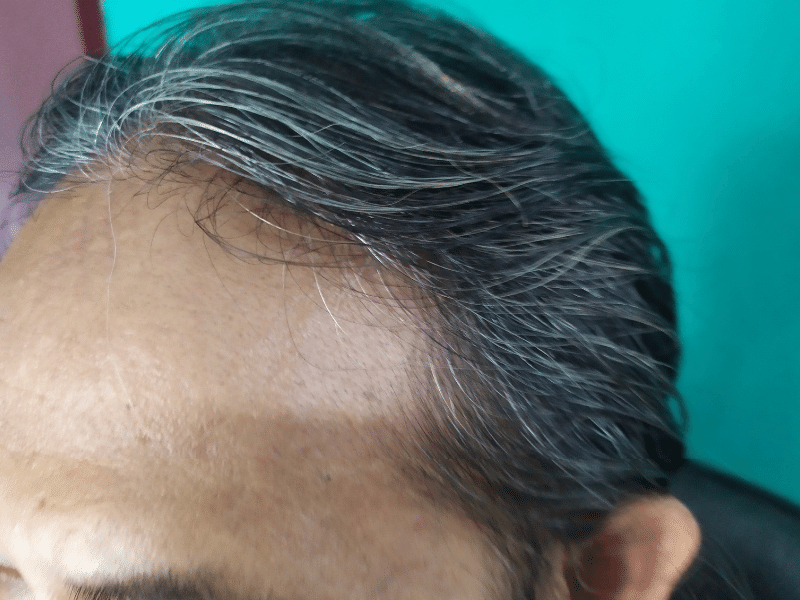
Image: Egie Satari — CC BY-SA 4.0 · Wikimedia Commons
Frequently Asked Questions
How do I choose the right medical company?
Evaluate city, product/service, brand and company reliability together. On medikalfirma.com you can compare companies by city and contact them directly.
What is the difference between sales, rental and technical service?
Some companies sell products, some rent them, and some provide technical service/maintenance. These labels are shown separately on product and company pages; you can choose according to your needs.
How do I find companies in my city?
You can reach relevant companies by typing your city and the product/service you are looking for into the search box, or via the city pages.
Does this content replace medical advice?
No. The content is for informational purposes; consult your physician or the relevant specialist for health-related decisions.