
What does this guide cover?
What causes hair transplants to fail to take, and who is a candidate for revision hair transplantation? What you need to know to prevent unsuccessful results.
Although hair transplantation is a procedure that yields highly successful results when properly planned and performed, as with any medical procedure, the expected outcome is not always achieved. Situations such as a sparse appearance, an unnatural hairline, or a low graft survival rate can lead to disappointment in patients. In this article, we examine the possible causes of a failed hair transplant, the mechanisms behind poor graft survival, and when revision hair transplantation becomes relevant.
The Main Causes of a Failed Hair Transplant
There is usually more than one factor behind a hair transplant that "doesn't take" or doesn't look natural. These can include the procedure being performed by an inexperienced team, the hairline and transplant angles not being planned in line with the natural direction of growth, follicles not being carefully extracted from the donor area, and transplant density not being calculated appropriately for the area. In addition, a patient's failure to follow post-procedure care instructions, smoking, uncontrolled chronic conditions, or the use of certain medications can also negatively affect graft survival. In other words, failure is not always due to the procedure itself; patient-related factors can also influence the outcome.
Why Might Grafts Fail to Take?
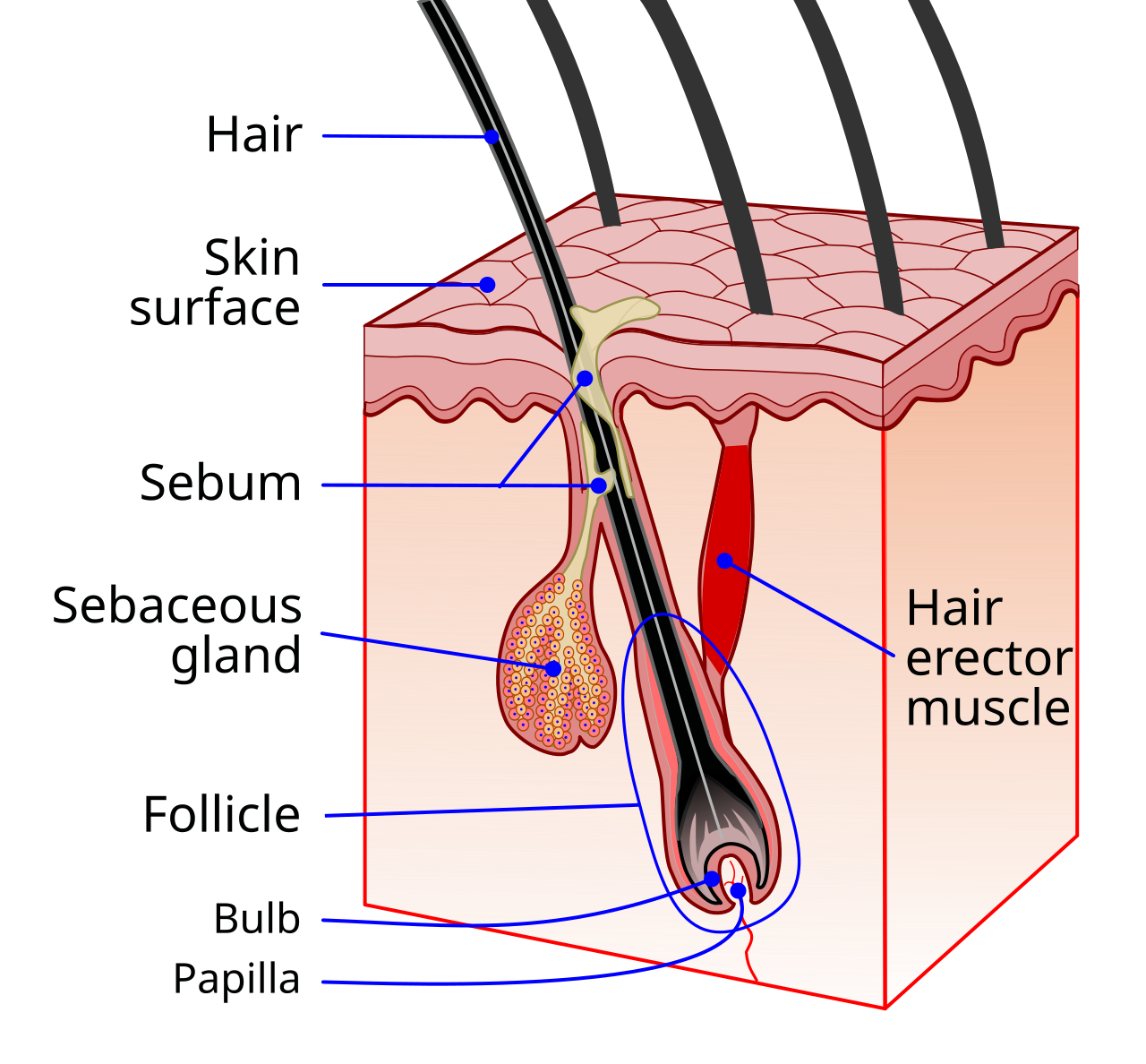
After being extracted from the donor area, hair follicles remain outside the body for a period of time until they are placed in the recipient area. If this period is prolonged, or if the follicles are kept in unsuitable conditions (humidity, temperature, storage solution), follicle viability can decrease — a situation commonly referred to as "graft drying out." In addition, excessive pressure applied to the follicles during implantation or placement at the wrong angle can damage the hair root. Insufficient blood circulation in the transplanted area, or trauma to the area after the procedure (such as premature scratching, impact, or wearing a tight hat), are also among the factors that increase graft loss. Attempting to perform large-volume procedures in a single session without sufficient experience and organization can also prolong the time the follicles spend outside the body, negatively affecting the survival rate; for this reason, it is important that the duration of the procedure and the size of the team be proportional to the planned number of grafts.
What Is Revision Hair Transplantation, and Who Is It For?
Revision hair transplantation is an additional intervention performed to correct unsatisfactory outcomes from a previous hair transplant procedure (such as sparseness, an unnatural hairline, irregular direction, or visible scar tissue). Unlike an initial procedure, the revision process requires evaluating both the condition of the existing transplanted area and the remaining capacity of the donor area together. For this reason, revision hair transplantation involves a more complex planning process than a standard first procedure and generally requires assessment by a more experienced physician.
What Should Be Considered Before Revision?
Before making a decision about revision, it is important to carefully evaluate the following points:
- The density of the remaining donor area and its adequacy for a new procedure
- The condition of any scar tissue left from the previous procedure
- Correctly diagnosing the source of the current problem (density, angle, or hairline design)
- The patient having realistic expectations
A detailed examination before the revision procedure, photographic documentation where necessary, and an open discussion of expectations with the physician all contribute to the process proceeding smoothly.
The Approach Followed in Revision Hair Transplantation
A revision procedure requires different planning from a standard first transplant because it involves working with an area that has already been transplanted and may contain scar tissue. For this reason, the physician tries to clarify, as far as possible, the technique used in the previous transplant, the number of grafts, and how much of the donor area's resources were used. If the remaining donor area is limited, using follicles taken from other parts of the body (such as the beard or chest) may be considered where necessary; however, the suitability of this approach must be assessed on a case-by-case basis. In some revision cases, the goal is not only to increase density but also to correct an unnatural hairline or follicles implanted at the wrong angle; in such cases, the position of existing follicles can be revised using micro-surgical approaches. Since every revision case is unique, rather than speaking of a standard method, it is essential to create a personalized plan following a comprehensive evaluation.
Recommendations for Preventing Unsuccessful Results
To reduce the risk of an unsuccessful outcome, it is very important to choose an experienced healthcare team that works under proper supervision before the procedure, to follow the post-procedure care instructions fully, and to attend regular check-ups. Quitting or reducing smoking and disclosing chronic health issues to the physician before the procedure are also steps that increase the likelihood of a positive outcome. Researching the center's hygiene standards, the team's experience, and feedback from previous patients before the procedure can also help reduce risks. While a result can never be guaranteed one hundred percent, the risk of an undesired outcome can be greatly reduced through proper planning and care.
If you are not satisfied with the outcome of an existing hair transplant, we strongly recommend consulting an experienced specialist for a detailed evaluation before finalizing your decision. Rather than a hastily made revision decision, a plan that correctly identifies your remaining donor capacity and the source of the problem can provide far more satisfying results in the long run.
Frequently Asked Questions
How do I choose the right medical company?
Evaluate city, product/service, brand and company reliability together. On medikalfirma.com you can compare companies by city and contact them directly.
What is the difference between sales, rental and technical service?
Some companies sell products, some rent them, and some provide technical service/maintenance. These labels are shown separately on product and company pages; you can choose according to your needs.
How do I find companies in my city?
You can reach relevant companies by typing your city and the product/service you are looking for into the search box, or via the city pages.
Does this content replace medical advice?
No. The content is for informational purposes; consult your physician or the relevant specialist for health-related decisions.